Guides for parents who plan ahead
Practical advice on babysitter handoffs, emergency preparedness, behavior systems, and everything in between.
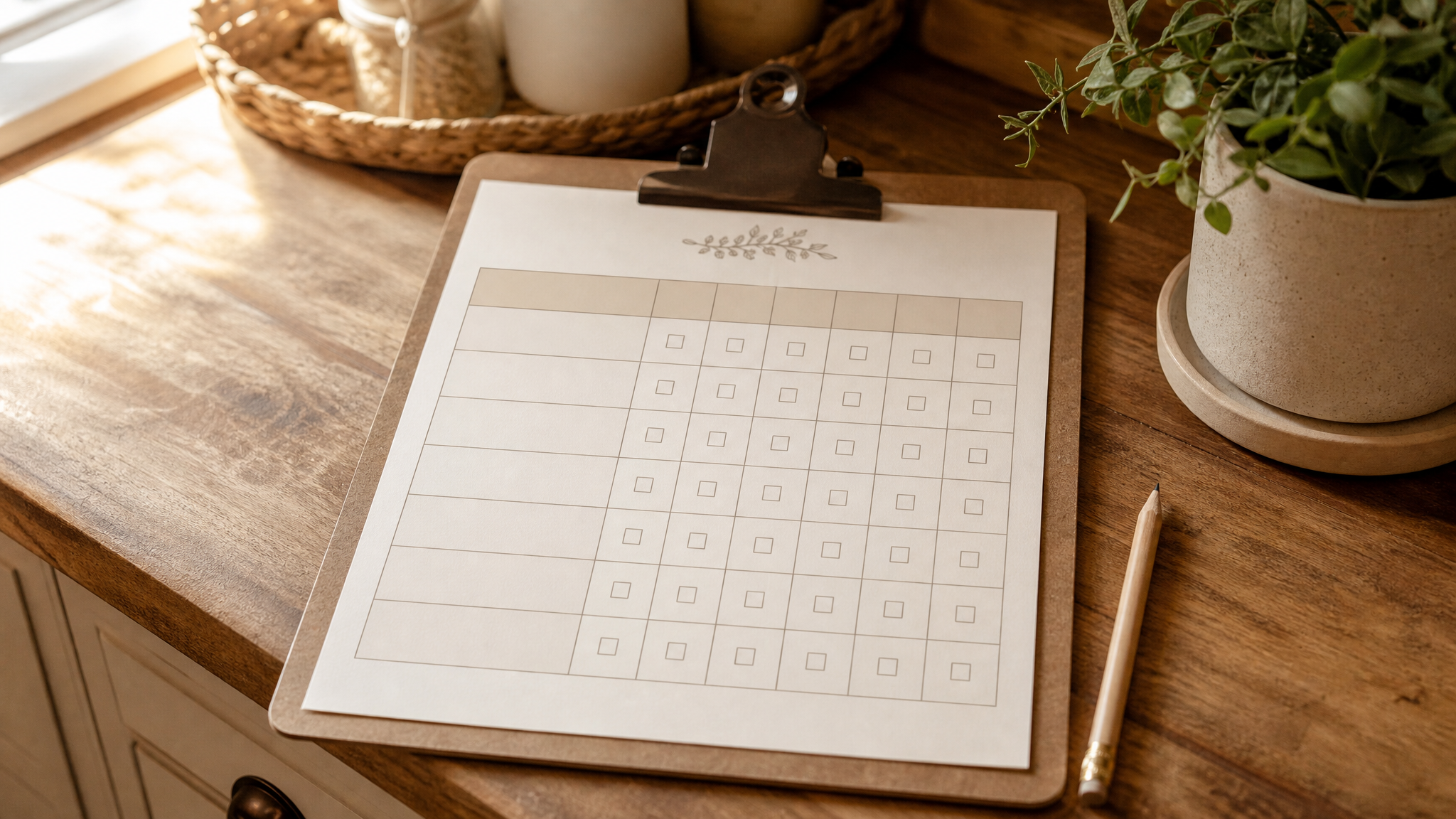
Weekly grid, daily checklist, sticker chart, or laminated reusable — which format actually fits your child's age and your household, and what belongs on it.
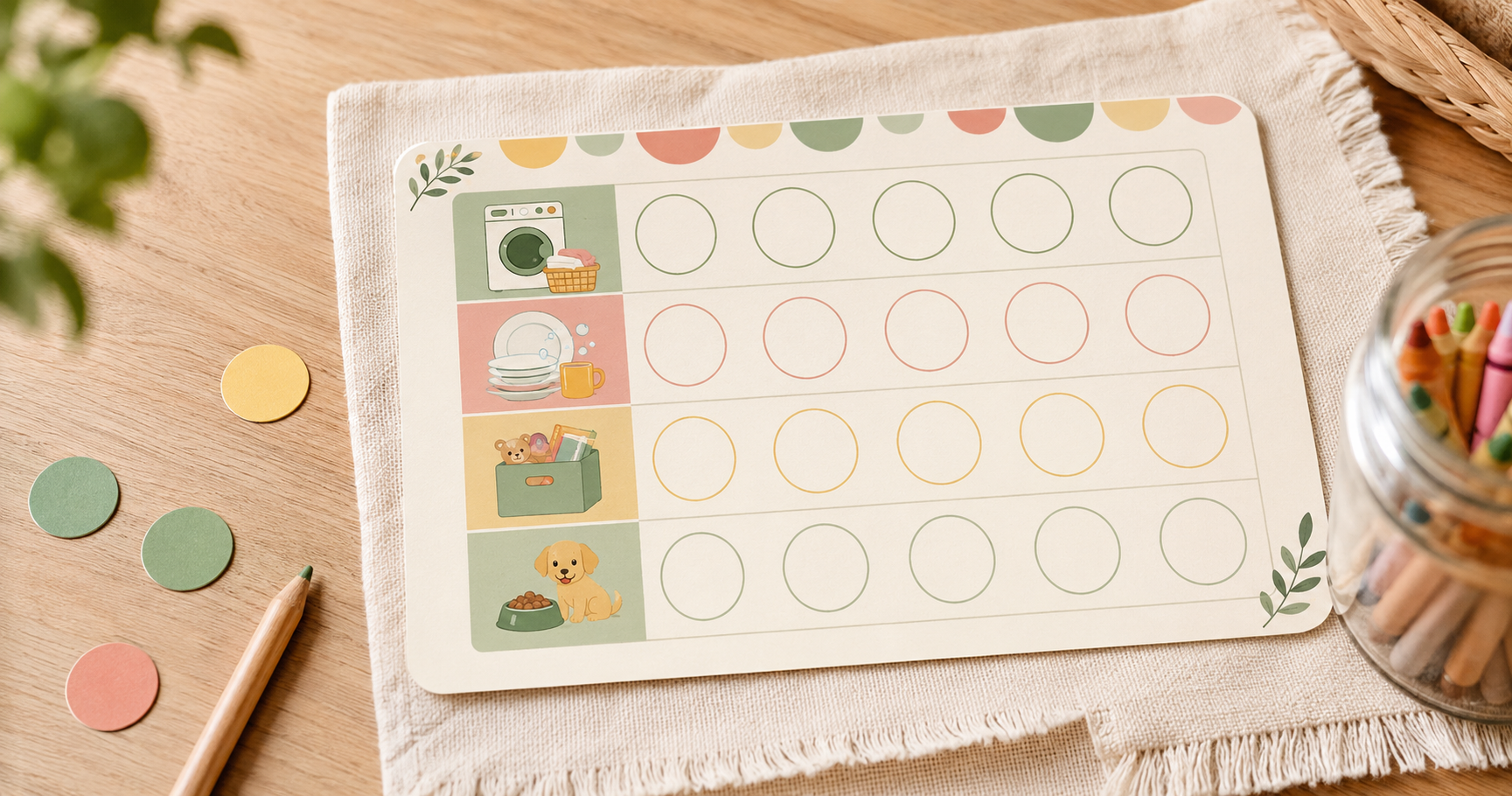
Standard chore charts fail kids with ADHD for predictable reasons. Here's how to build one that doesn't — shorter reward cycles, fewer tasks, and visual cues at the point of action.

Everything a sitter needs before the parents leave — safe sleep rules, feeding basics, the crying sequence, and what to have written down in advance.

A motivational graph shows your child where they've been, not just where they are today — here's how it works, how it differs from a behavior chart, and how to build one that lasts.

Safety, routines, communication, and what to do when something goes wrong. The rules that actually matter — for babysitters and the parents who hire them.
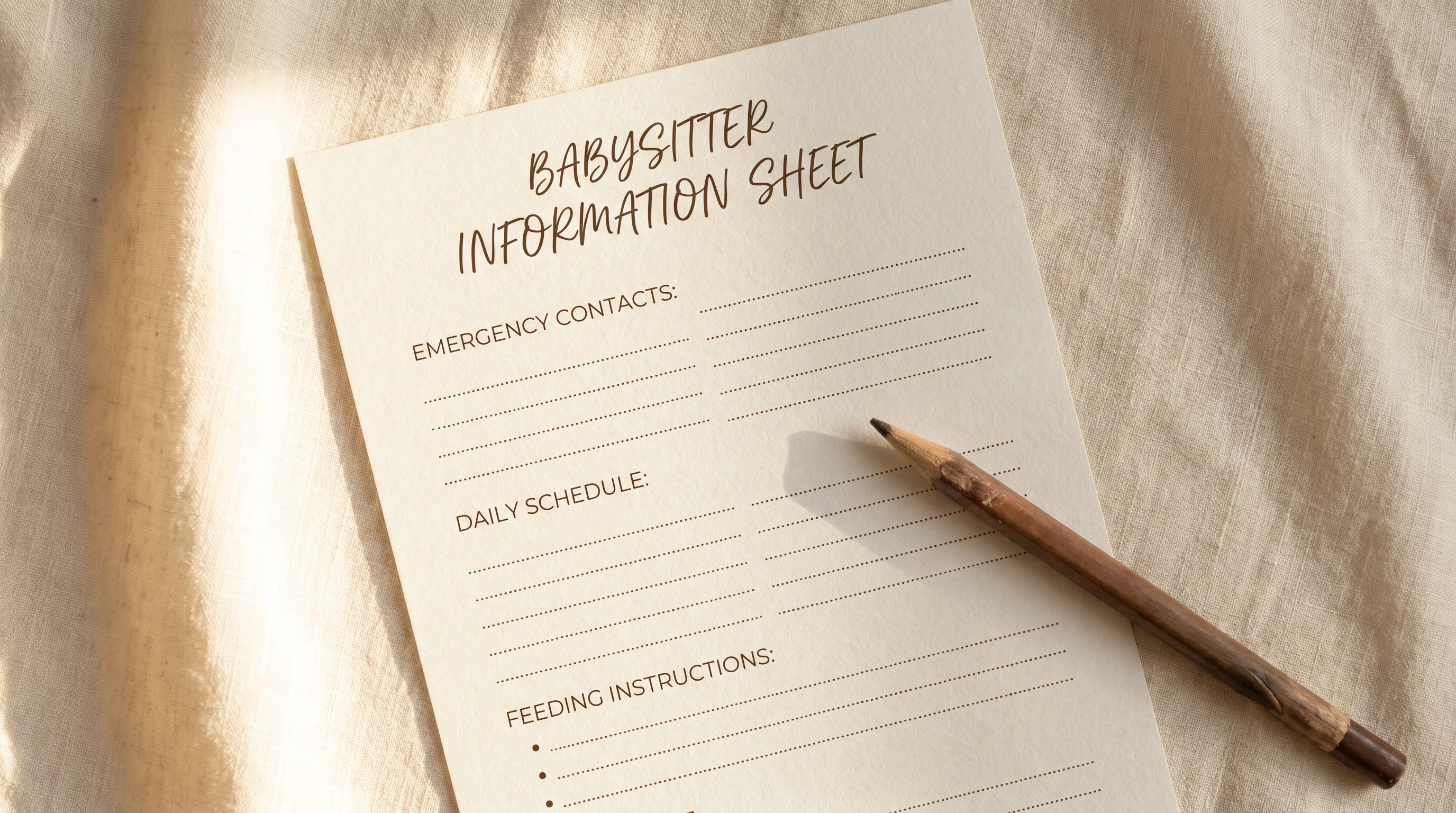
A one or two page document your caregiver reads before you leave — emergency contacts, medical notes, daily schedule, bedtime routine. Here's exactly what belongs on it.

One binder, every contact and document your family needs. Here's what goes inside, how to organize it, and the two mistakes that make most binders useless when it counts.
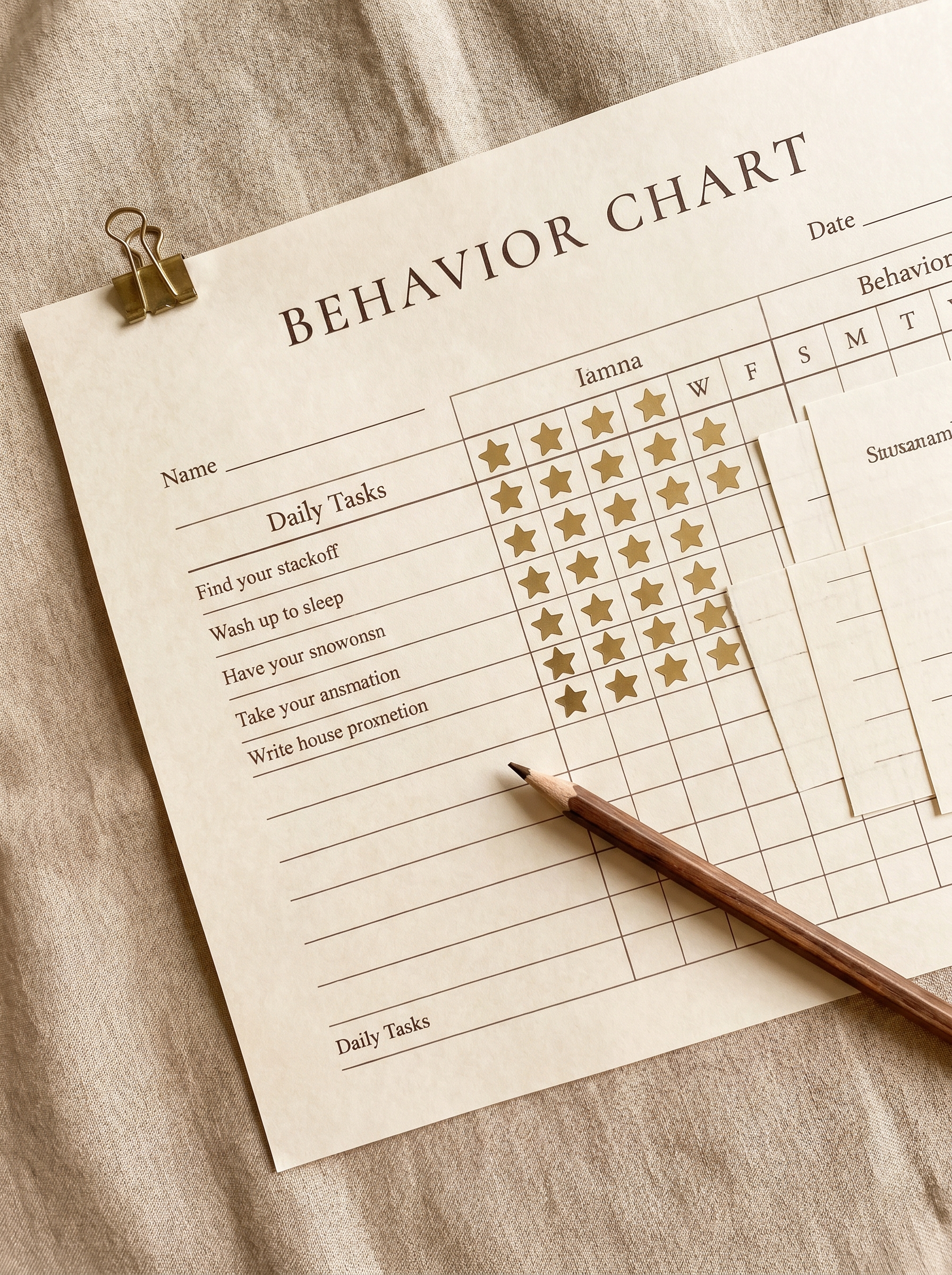
A behavior chart works when it's set up correctly. Here's how to choose the right type for your child's age, run the setup conversation that most parents skip, and avoid the mistake that ends most charts early.
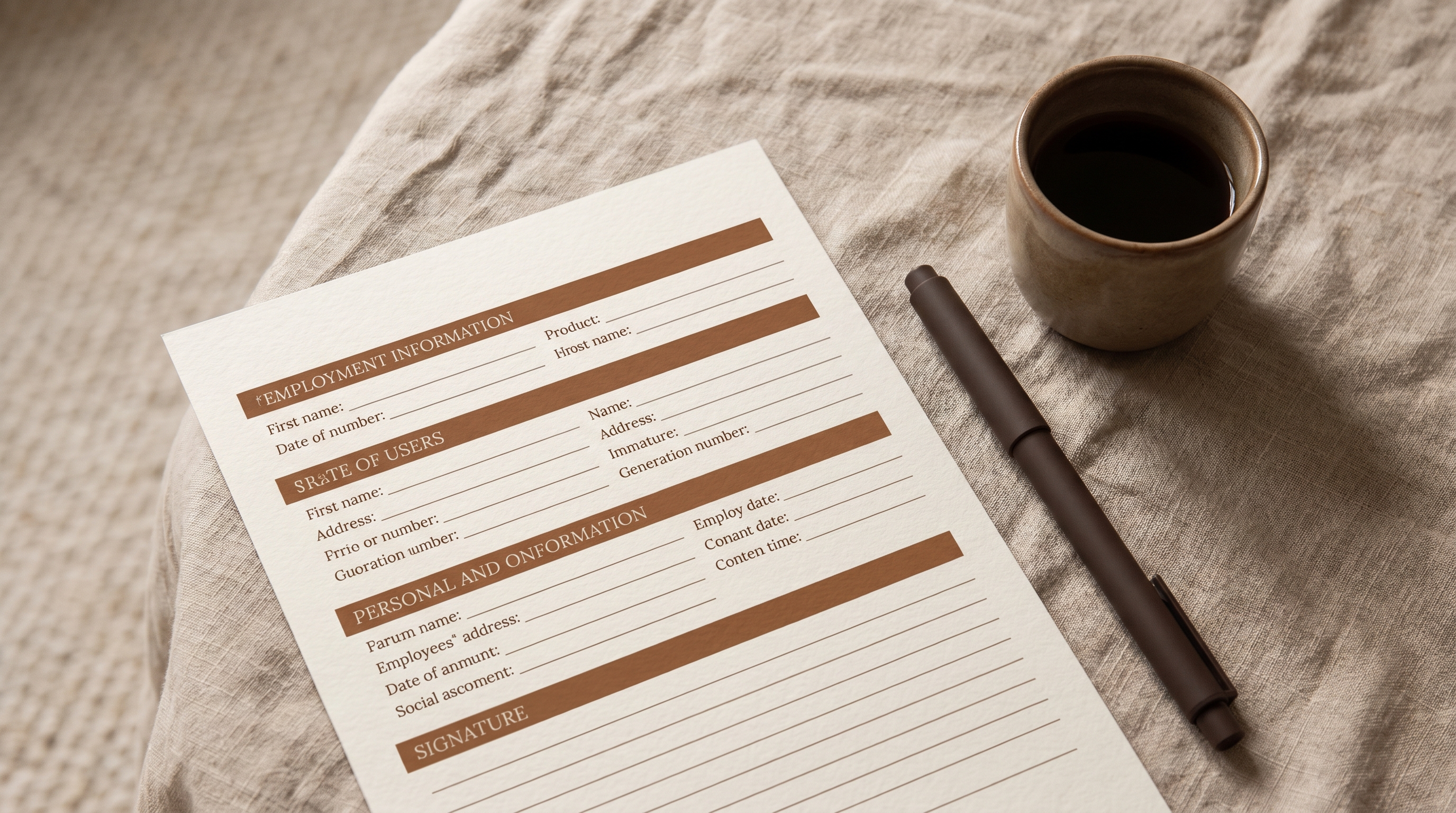
A co-parenting agreement reduces conflict by turning expectations into a shared reference point. Here's what to include, what to skip, and why the format determines whether it actually gets used.

An incentive chart works when it's built around what your child actually cares about. A practical guide to setting one up, choosing the right reward, and keeping it going past the first two weeks.

Which chores belong at which age — and how to build a daily list that doesn't require constant reminders. A practical guide from toddlers to teenagers.